

Wire Mesh Cable Tray and Perforated Cable Tray: Which One is Right for Your Project
Choosing the right cable tray system can make a big difference in the safety, efficiency, and maintenance of your electrical installations. Wire mesh cable trays and perforated cable trays are two popular options, each with unique benefits and ideal use cases. Understanding their differences helps you select the best fit for your project’s needs.

What Is a Wire Mesh Cable Tray?
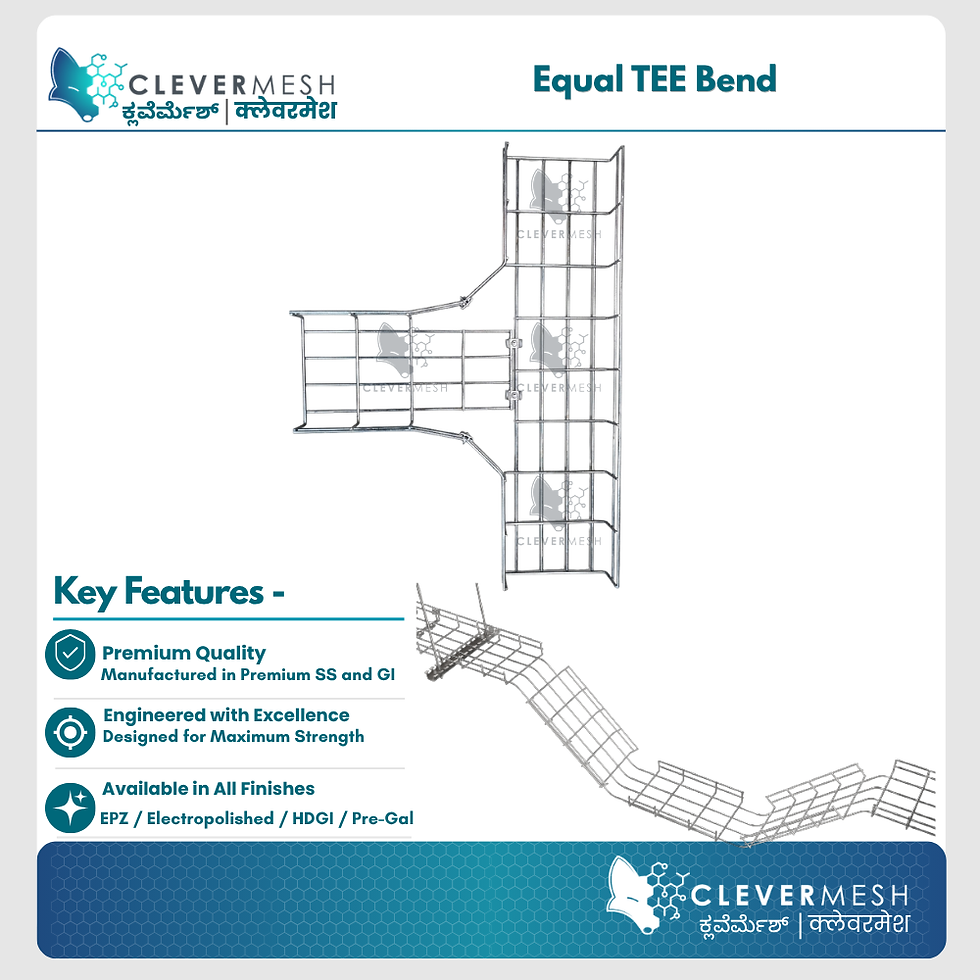
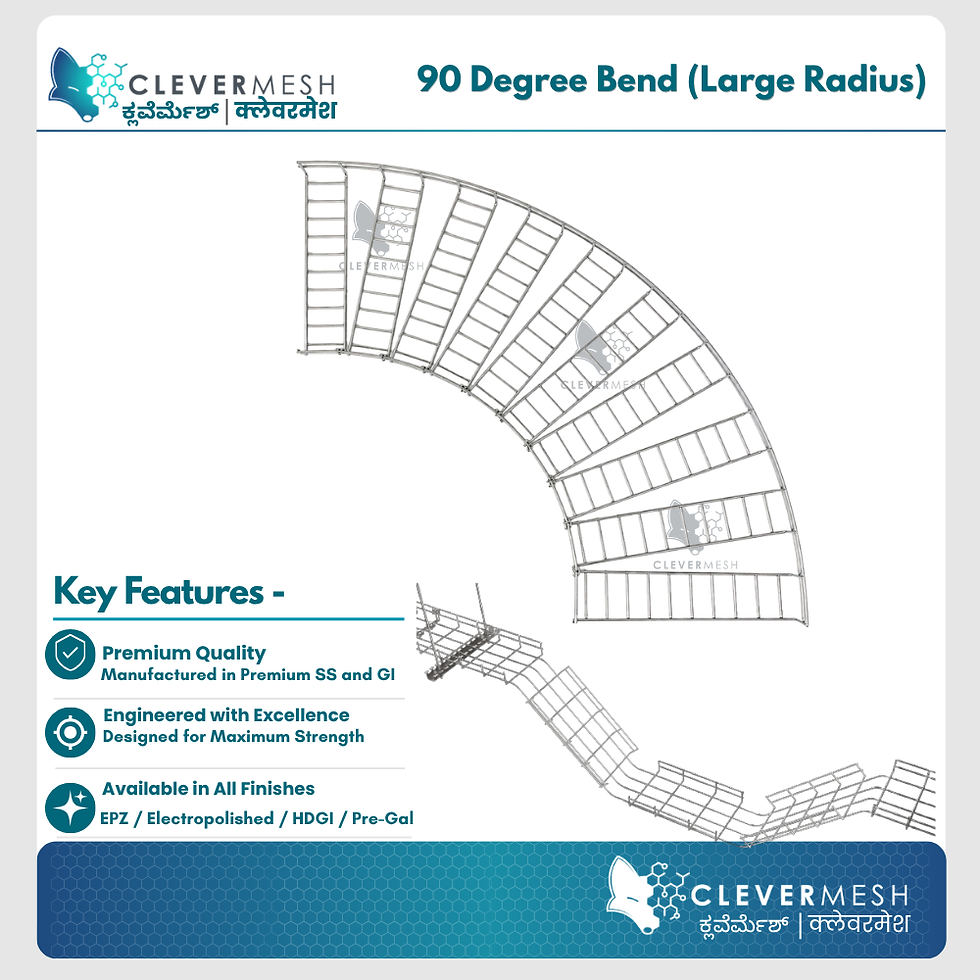
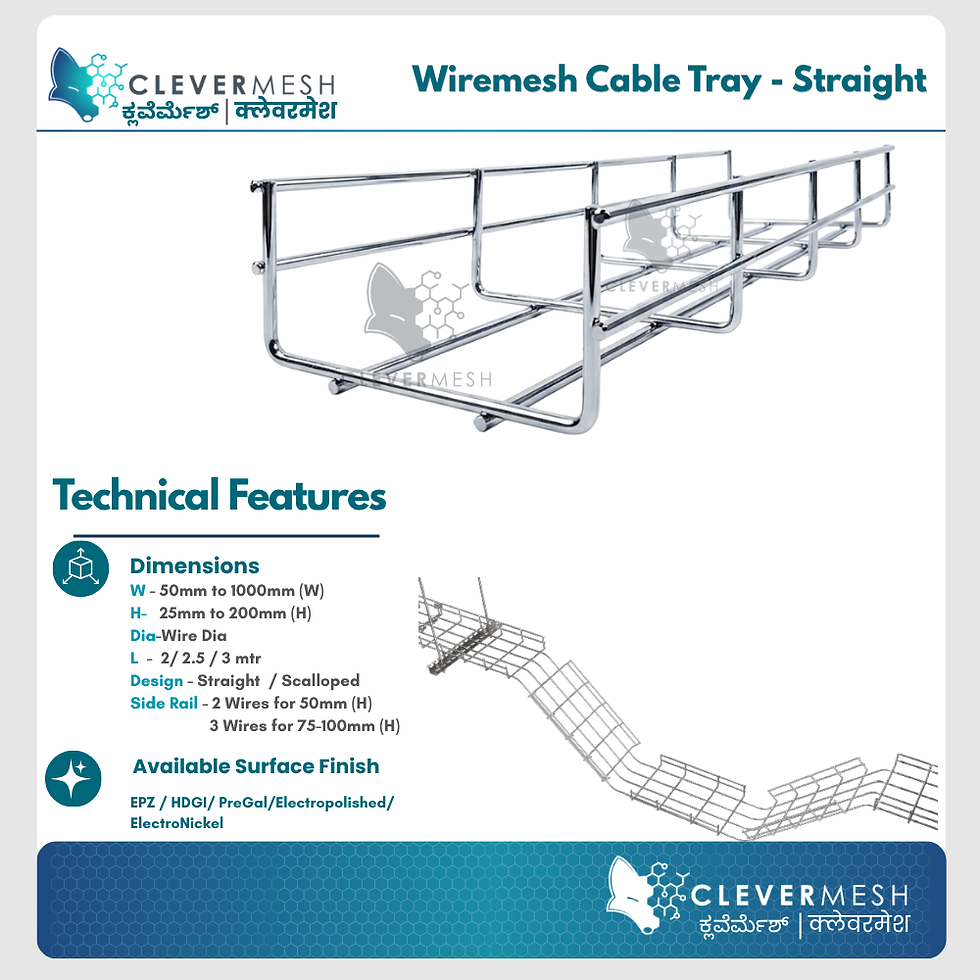
Wire mesh cable trays consist of a grid of welded steel wires forming a basket-like structure. This open design allows cables to rest on the mesh while being supported evenly across the tray. Wire mesh trays are lightweight and flexible, making them easy to cut and shape on-site.
Key Benefits of Wire Mesh Cable Trays
Excellent ventilation: The open grid allows air to circulate freely, reducing heat buildup around cables.
Easy cable access: Installing or adding cables is simple since you can place them anywhere along the tray.
Lightweight and flexible: Wire mesh trays are easier to handle and install in complex layouts.
Corrosion resistance: Many wire mesh trays come with galvanized or stainless steel finishes for durability.
Cost-effective: Generally less expensive than solid or perforated trays due to less material use.
Wire mesh trays are ideal for data centers, commercial buildings, and industrial environments where cable heat dissipation and flexibility are priorities.
What Is a Perforated Cable Tray?
Perforated cable trays are made from solid metal sheets with regularly spaced holes punched throughout. These holes provide ventilation while offering a flat, sturdy surface for cables. The trays come in various thicknesses and materials, including steel and aluminum.
Key Benefits of Perforated Cable Trays
Strong support: The solid base with holes provides firm support for heavy cables and equipment.
Good ventilation: Perforations allow air to flow, helping prevent overheating.
Neat appearance: The uniform perforations give a clean, professional look.
Easy to clean: The flat surface is simpler to wipe down and maintain.
Versatile installation: Suitable for horizontal and vertical runs, and can support cable clamps securely.
Perforated trays work well in industrial plants, manufacturing facilities, and places where heavy cables or conduit runs require solid support.

Comparing Wire Mesh and Perforated Cable Trays
When deciding between wire mesh and perforated cable trays, consider these factors:
Ventilation and Heat Dissipation
Wire mesh trays offer superior airflow due to their open grid design. This helps keep cables cooler, which is critical for sensitive data cables or high-current power lines. Perforated trays also allow airflow but to a lesser extent because the metal surface covers more area.
Cable Support and Weight Capacity
Perforated trays provide stronger support for heavy cables or bundles. Their solid base prevents cables from sagging or shifting. Wire mesh trays are better suited for lighter cables or when cable weight is distributed evenly.
Installation Flexibility
Wire mesh trays are easier to cut and bend on-site, allowing for custom shapes and quick adjustments. Perforated trays require more precise cutting and may need special tools for modifications.
Maintenance and Cable Management
Wire mesh trays allow easy cable access from any point along the tray, simplifying cable additions or changes. Perforated trays require cables to be routed through specific openings or secured with clamps, which can slow maintenance.
Cost Considerations
Wire mesh trays tend to be more affordable due to less material use and simpler manufacturing. Perforated trays cost more but offer durability and support that justify the price in demanding environments.
Practical Examples of Use
Data centers: Wire mesh trays keep network cables cool and accessible for frequent changes.
Manufacturing plants: Perforated trays support heavy power cables and conduit runs safely.
Commercial buildings: Wire mesh trays provide flexible routing for mixed cable types.
Outdoor installations: Galvanized wire mesh trays resist corrosion and allow drainage.
Choosing the Right Tray for Your Project
To select the best cable tray, ask:
What type and weight of cables will you install?
How important is ventilation for heat management?
Will you need to modify or add cables frequently?
What environmental conditions will the tray face?
What is your budget for materials and installation?
Wire mesh trays suit projects needing flexibility, ventilation, and cost savings. Perforated trays fit projects requiring strong support and a neat, durable finish.
Final Thoughts on Cable Tray Selection
Both wire mesh and perforated cable trays have clear strengths. Your choice depends on the specific demands of your installation, including cable type, environment, and maintenance needs. Understanding these differences helps you build a safer, more efficient cable system that lasts.
Comments